I've been doing SEO long enough to remember when link building meant stuffing keywords into directory submissions and calling it a day.
Things have changed. Sort of.
Link building still matters. Google still uses backlinks as a ranking signal. But the way you get them, and which ones actually help, is completely different from what worked ten years ago.
And honestly? Most of what people call link building today is just spam with better branding.
Let's talk about what actually works.
What Is Link Building
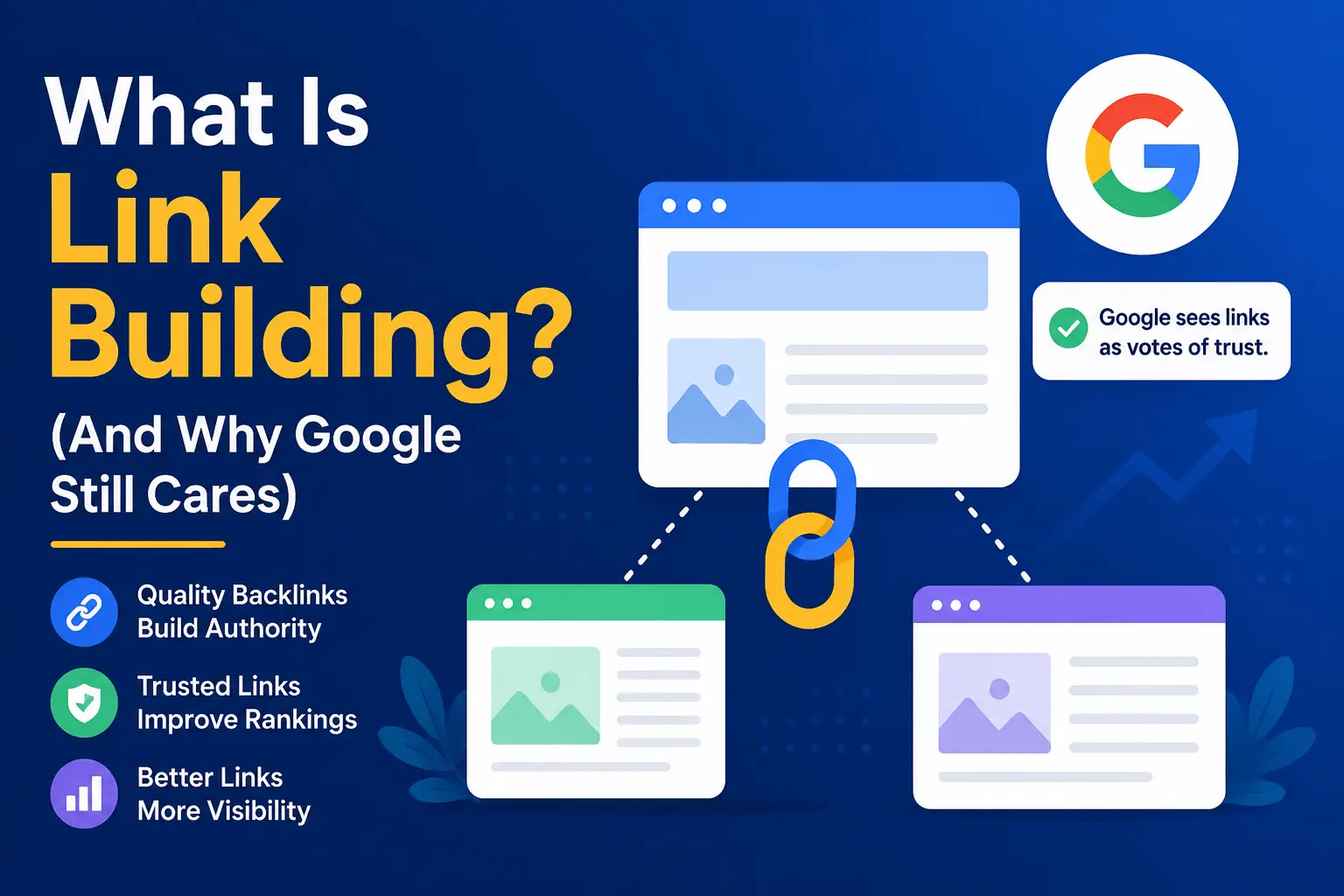
Link building is the process of getting other websites to link to your site.
That's it. No secret sauce. No advanced strategy. Other sites link to you, and those links help Google decide whether you're trustworthy.
Websites linking to your pages is the simplest form of off-page SEO. Every time someone adds a link pointing to your content, Google interprets that as a tiny signal that your site has value.
Of course, not all links send the same signal. A link from a real news site matters. A link from a blog nobody reads? Google barely notices.
And bad links from spammy websites? Those can actually hurt you.
So link building isn't just about getting links. It's about getting the right kind. That's the part people get wrong.
Why Backlinks Matter for SEO
Backlinks are one of the few ranking factors Google openly admits to using.
They've said it repeatedly. Links are still one of the top signals in their algorithm. Not the only one. Not even the most important one anymore. But still up there.
Here's why Google cares so much about external links.
When a trusted website links to you, it passes along some authority. Think of it like a reference check. If someone with a good reputation vouches for you, people listen. If a stranger does, nobody cares.
That's link authority in practice.
Links also help Google discover your site. Googlebot crawls the web by following links from page to page. If nobody links to you, Google might not find your new content for weeks. Or months. That's a real crawl budget issue — something we covered in our crawl budget guide.
But here's the uncomfortable part. Links matter less now than they used to.
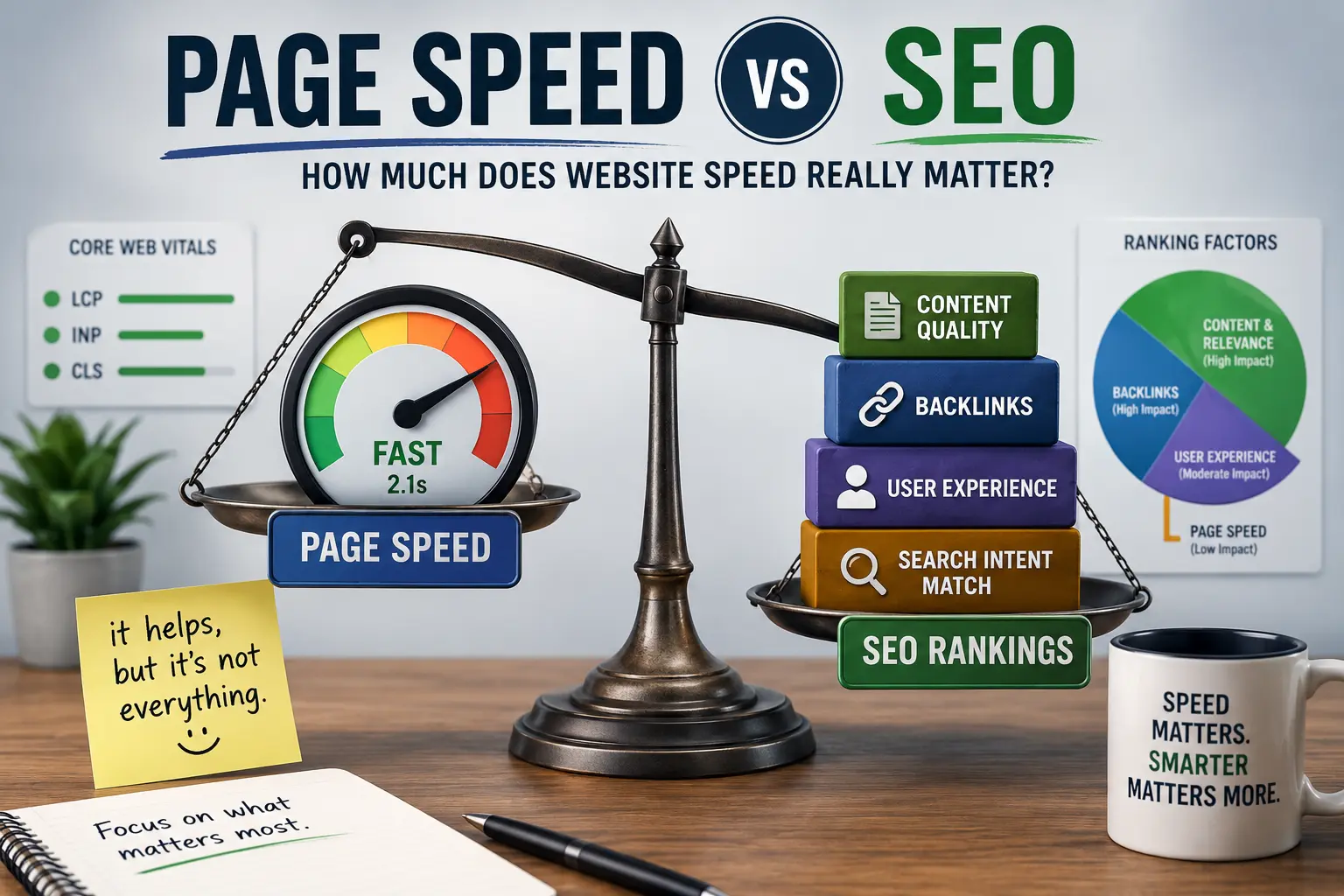
Ten years ago, links were basically the whole game. Now Google looks at content quality, search intent, user experience, and about 200 other things. You can check some of these on-page issues with a free SEO checker.
Links still help. They just aren't magic anymore. And that's a good thing.
How Link Building Works
The basic idea hasn't changed. You create something worth linking to, and other sites link to it.
Sounds simple. It's not.
Most websites don't link out much anymore. Site owners are protective. They've been burned by spammy guest post requests and link exchange offers. I don't blame them.
So how does link building work in practice? A few ways.
Natural backlinks happen when someone finds your content useful and links to it without you asking. This is the ideal. It's also slow.
Manual link building means you actively reach out and ask. Guest posts. Broken link replacement. Resource page mentions. This works if you're not annoying about it.
Created links come from things like directory listings, social profiles, and forum signatures. These are usually low-value and some don't even count.
The friction point? Most link building fails because the content isn't link-worthy. People spend hours on outreach while linking to a mediocre blog post nobody needs.
Fix the content first. Then worry about links.
Good Backlinks vs Bad Backlinks
Not all backlinks help. Some actively work against you.
Good backlinks usually have these qualities:
- They come from real websites with actual traffic
- The site is related to your industry or topic
- The link sits naturally within useful content
- The anchor text is relevant but not forced
- The link is editorial — someone chose to include it
Bad backlinks look more like this:
- They come from link farms or sites that exist only to sell links
- The site has nothing to do with your industry
- Every link uses the same exact-match anchor text
- They appear in footers, sidebars, or sitewide
- You got hundreds of them overnight for $4.99
Google is decent at ignoring low-quality backlinks. A few won't hurt you.
But if your backlink profile is mostly spam? Google notices. And when they take action, your rankings drop without warning. No email. No explanation. Just a traffic cliff you wake up to one morning.
I've seen site owners spend months cleaning up spammy backlinks they bought in a moment of impatience. Not worth it.
Common Link Building Mistakes
I keep seeing the same ones:
- Chasing quantity over quality. One high quality backlink beats 500 directory submissions.
- Obsessing over exact-match anchor text. That looks unnatural and Google catches it.
- Ignoring nofollow links completely. They don't pass authority directly, but they still bring traffic and make your profile look real.
- Neglecting internal links. You're chasing external links while your own pages aren't connected. That's backwards. Start with what you control.
- Buying links from sketchy sites and hoping Google won't notice. They notice.
- Treating link building like a one-time project instead of something ongoing.
- Building links to thin content nobody wants to read. Why would anyone link to that?
Simple Link Building Strategies That Work
You don't need a fancy system. Here's what I'd actually suggest:
Fix your internal links first. Before chasing backlinks, make sure your own pages link to each other properly. It's the easiest link building win and costs nothing.
Create genuinely useful content. Guides, checklists, tools, original research. Stuff people want to reference. If you're writing about SEO, link to content that helps — like our robots.txt guide or how search engines work post.
Find broken links and offer replacements. Use a broken link checker to spot dead links on relevant sites. Email the owner politely. Mention the broken link. Suggest your content as a fix. Most won't reply. Some will.
Write guest posts for real sites. Not mass-produced spam. One good article on a site your audience actually reads.
Build relationships slowly. Comment on industry blogs. Share people's work. Be helpful. Some of those people will eventually link to you. This takes forever but lasts.
Create linkable assets. A free tool like our XML sitemap generator earns links because it solves a problem. Data, templates, and strong opinions work too.
Check competitor backlinks. See who links to similar sites. If they linked to a competitor's mediocre post and you have something better, reach out.
Do Small Websites Need Link Building
Honestly? Not right away.
If your site has 20 pages and no traffic, link building shouldn't be your top concern.
First, do the basics. Write solid content. Fix your technical SEO. Make sure your on-page elements are right. Our SEO guide for beginners walks through this.
Improving website authority through links matters more as your site grows. Once you have content worth linking to, then earning links naturally starts to make sense.
New sites chasing backlinks before building anything useful rarely get far.
Here's the honest summary.
Link building still matters. It probably always will. But it's not the shortcut people want it to be.
The sites that win are the ones building trust and relevance over time with content people actually want to reference. That's annoying advice. I know. But the shortcuts don't work anymore.
Build something useful. Make sure people know it exists. Fix the internal links you control. Be patient.
And if anyone promises you "1,000 high quality backlinks for $10," run. Google already knows about that website too.